5 Reasons Why the Right Location Can Make or Break Your Business

When planning to start a new business, one of the first things to consider is where to launch it. Location, after all, is one of ‘The 5 Critical Elements to Make Your Business a Smashing Success’ — and for good reason. It can very well spell the difference between success or failure, and here are five considerations to show you why:

Access to the Right Talent

The geographic location of any company is important in attracting and retaining the right workforce for your business. For instance, it was a driving factor for Jeff Bezos to locate his second Amazon headquarters in Northern Virginia. The region was revealed to have the largest concentration of STEM (science, technology, engineering, math) workers in the country, and ranked as the top state for education, alongside Massachusetts. So, when deciding on your own business location, do some research on the current and future trends in the employment landscape in the area, and see how it can benefit your specific industry.

Business Requirements and Regulations

In choosing a business location, you’ll have to compare different state requirements and regulations, and determine which one would be the most favorable for your business. For instance, states like New Mexico, Delaware, and Wyoming don’t require new LLCs to submit the names of their members upon registration, which means they can be very good choices for those who want a little more privacy. Other states, meanwhile, can have extra requirements when registering. Case in point: The New York LLC publication requirement means that new businesses must publish a copy of their articles of organization in two separate newspapers within 120 days of registering. Although very much doable, it’s an extra cost that entrepreneurs must account for in the early days.

In terms of tax laws, Wyoming and South Dakota are the most tax-friendly states for businesses, as they have no individual income tax, corporate income tax, and gross receipts tax. Meanwhile, New Jersey is the worst state in terms of taxes, with the highest individual income tax rate in the country, along with high corporate, sales, and property taxes.

Cost of Living and Doing Business

A huge factor in choosing the right business location is its affordability. Real estate costs are the second largest expense for businesses, right after labor costs. Cities like New York and San Francisco are known for their expensive rent and food, so many entrepreneurs avoid settling down there if they can. Speaking to the Council for Community and Economic Research’s Cost of Living Index can help determine the most affordable states in terms of essential needs and real estate costs. For example, among the least expensive states in terms of housing, utilities, groceries, transportation, and healthcare are Arkansas and Texas.

Brand Visibility

Location can also influence the ability of a business to market itself and what competition it may face. For example, choosing a business address in Manhattan can change the perception of your business, as you’ll be able to tie your brand with the financial success and high growth commonly associated with the area. However, other key considerations like affordability and tax laws must be considered, too. So, it’s up to you and your financial plan to weigh up which factor will favor your business more.

Access to the Right Suppliers

Depending on the nature of your business, access to the best suppliers in terms of price and quality is another factor to consider when choosing the right location. Speed of delivery can have a huge impact on the productivity of your operations. This is why even though real estate and cost of living can be cheaper in smaller towns or cities, not every business is lining up to start operations there. The closer you are to the right suppliers, the faster your products and services can reach your intended markets — and the better it will be overall for you.

All in all, choosing the right location for your business depends on finding the right balance among these five factors. If some of them are conflicting, decide on which ones are more important to you and your business, and which disadvantages you can live with.

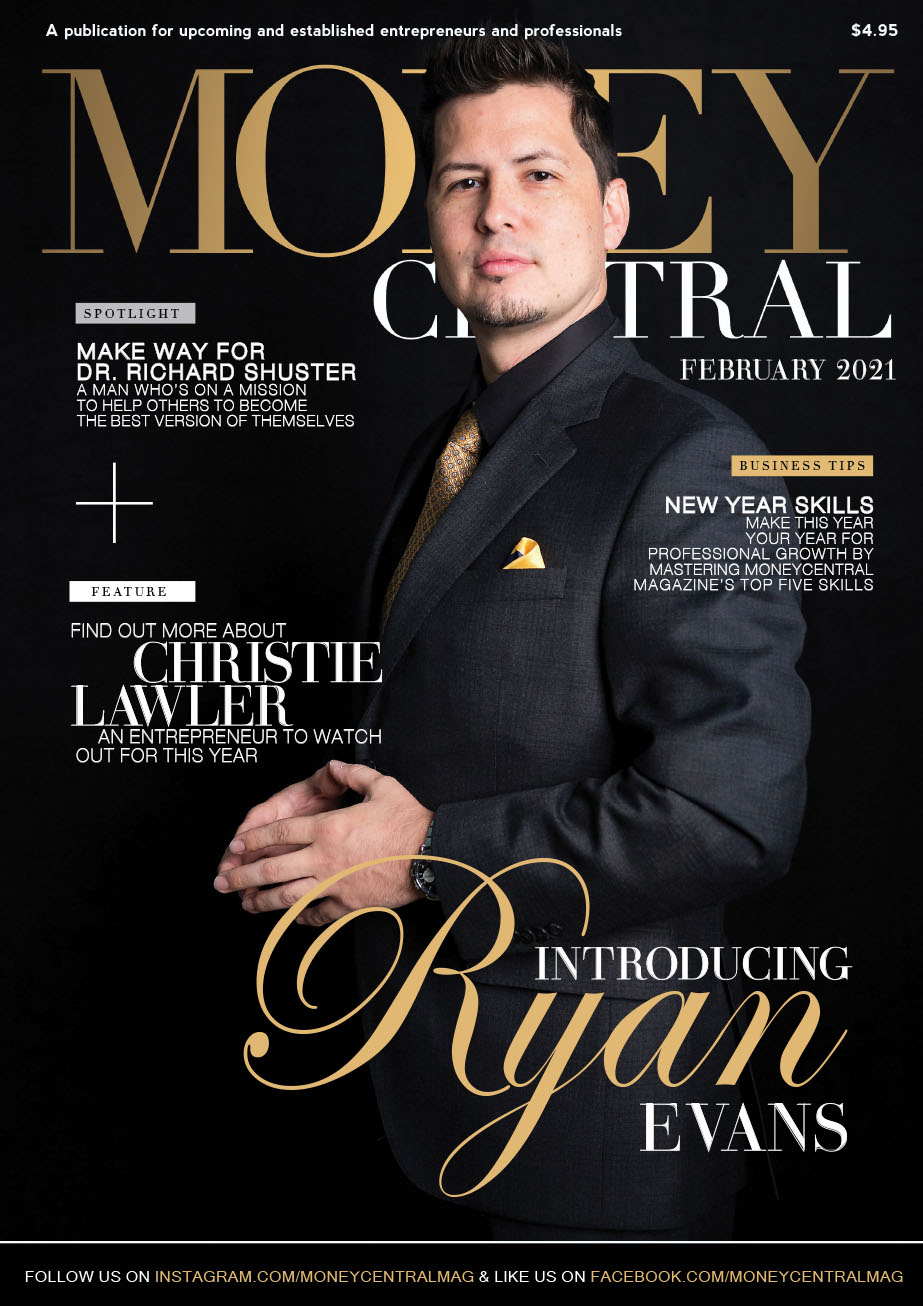
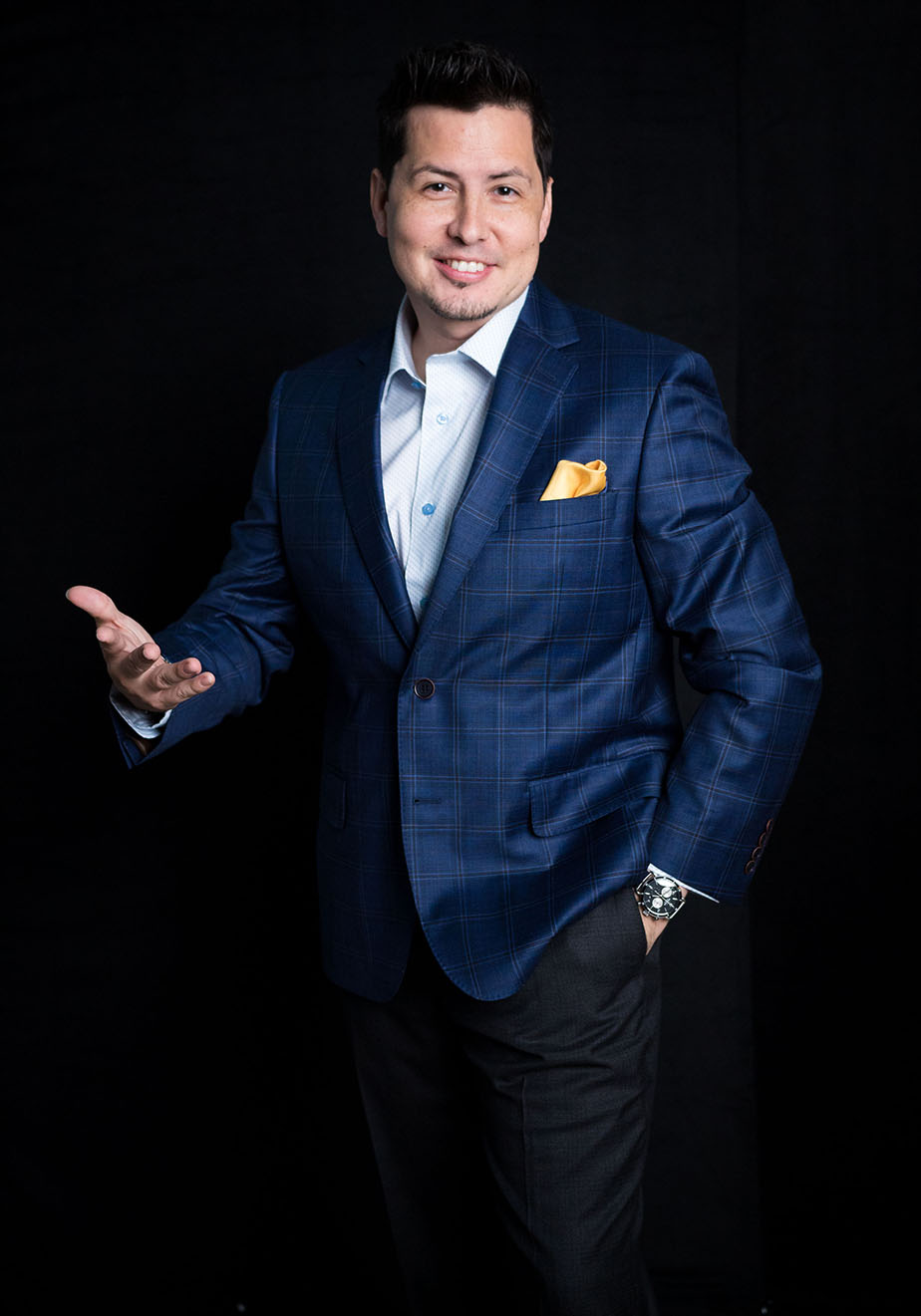
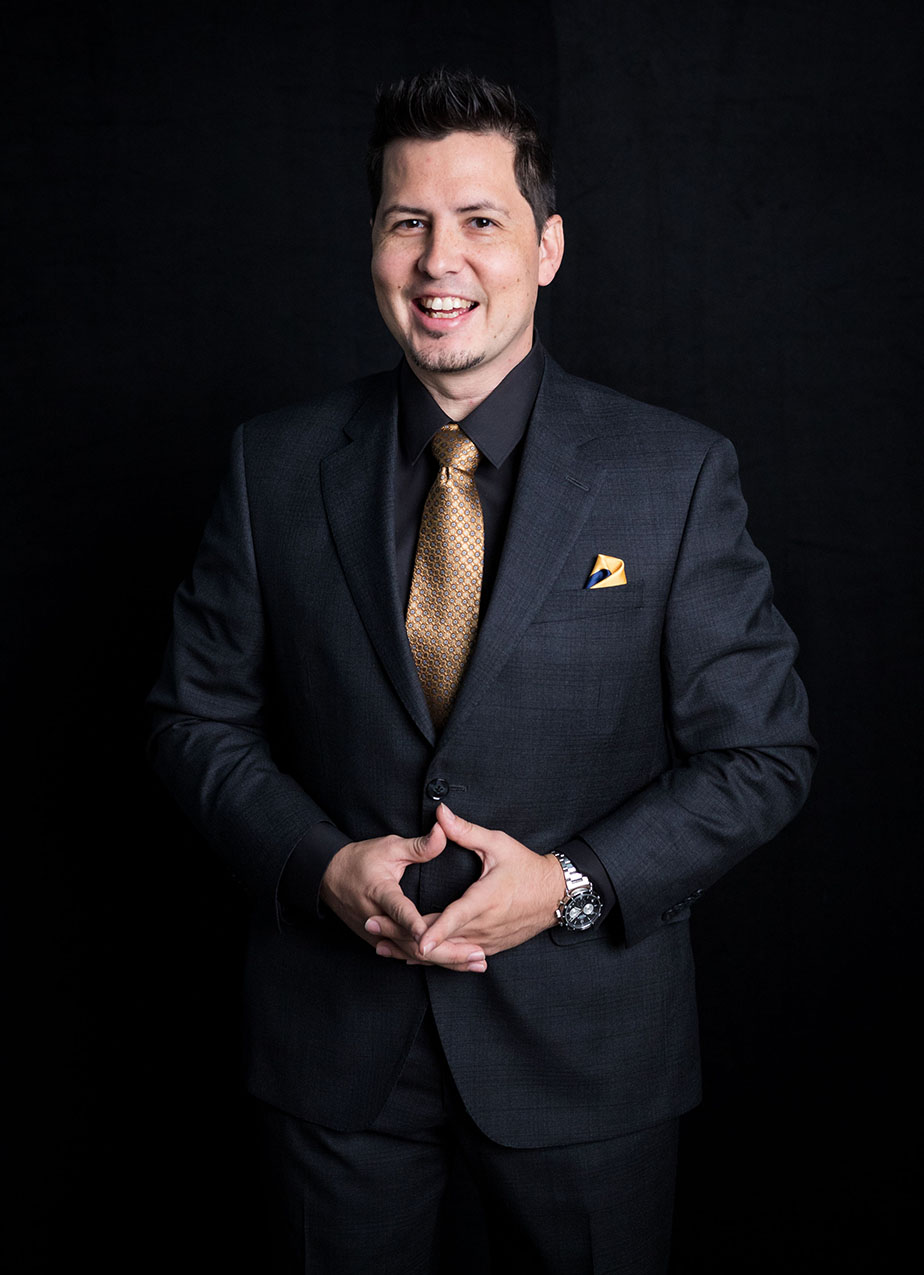
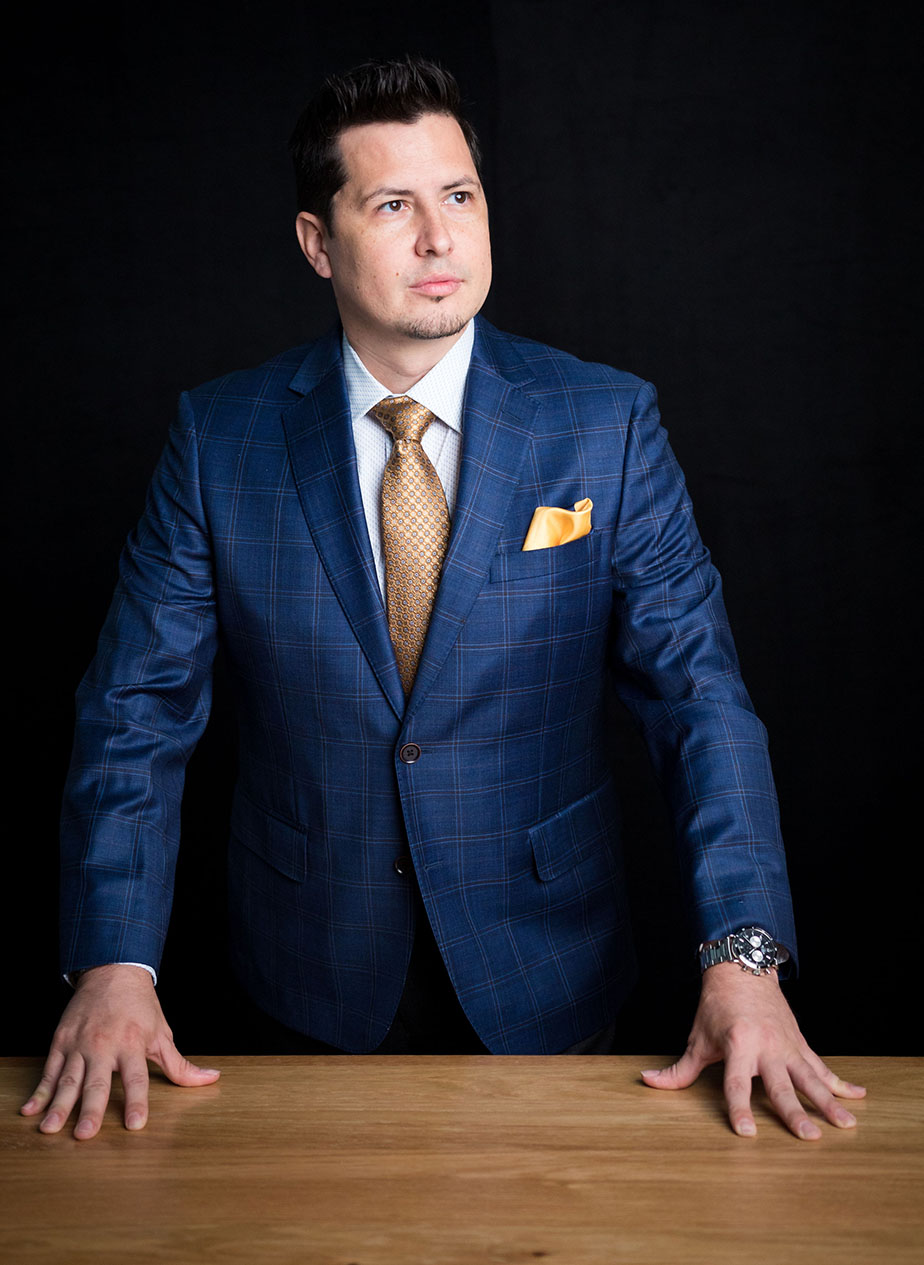
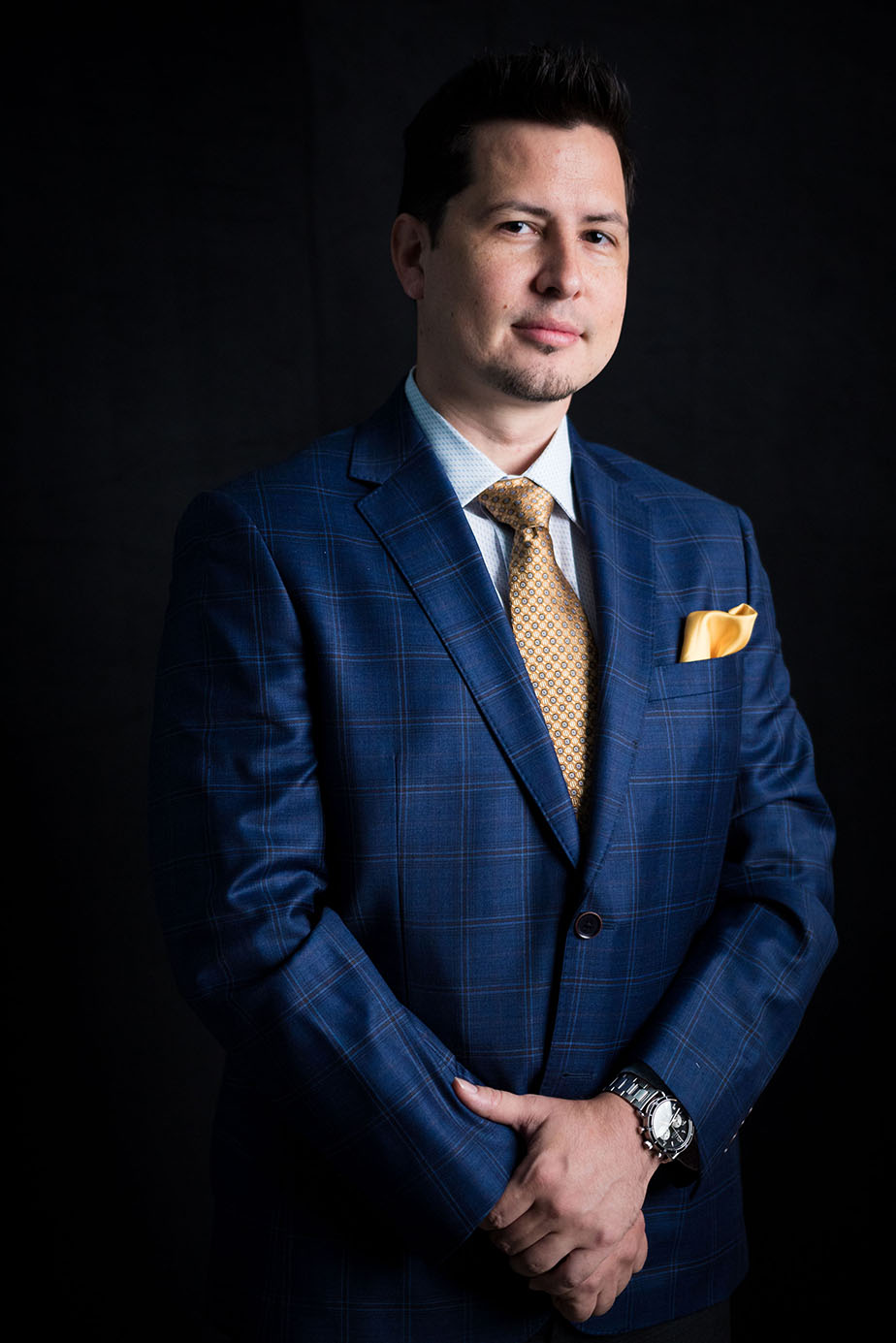
Meet The Man Behind The Cover Of The February 2021 Issue Of MoneyCentral Magazine: Ryan Evans

Ryan Evans is a serial entrepreneur, philanthropist, public speaker, and family man. In the early 2010s, as his first entrepreneurial venture, Ryan founded a technology company that he grew to multiple locations, employing dozens of people. After a successful executive transition there, he was appointed as the Global Operations Director for a billion-dollar multinational corporation where his focus and passion were on strategic planning, global growth, and training. He was successful in growing that business to more than three million global affiliates before leaving to start his next venture.

In 2017, Ryan founded Elamant International and successfully launched the company in more than two dozen countries, spanning five continents, including massive action throughout Africa and Asia. Today, Elamant is stronger than ever with revenues of more than $200 million and growing.

Ryan has been featured in multiple publications as well as online resources, video channels, blogs, and forums. He has spoken in person and virtually to millions of people around the world. Ryan has been married for 17 years and is a devoted father to four amazing kids. MoneyCentral magazine recently caught up with Ryan and here’s what went down:

Could you please tell our readers a brief background about yourself and how you started your business?

My beginnings actually typify the American Dream. I grew up in the Midwest and always envisioned accomplishing great things. However, like so many others, I didn’t know how those dreams would become reality. I got my first taste of entrepreneurship while owning a local software company. Although I was featured in regional publications for my work, I knew I had the capacity to do more.

My big break came when I was Marketing Director for an international company and was instrumental in taking it to unprecedented heights. I realized then; I could do even more. The company I currently own, Elamant is drastically different from the other ventures. However, the experience I gained over the years prepared me for this moment.

When did your entrepreneurial flair first reveal itself?

I’ve been very blessed to travel the world during my time in Asia, I developed the skill set of connecting with people from different cultures and backgrounds. Succeeding as an entrepreneur is all about finding ways to build and maintain relationships. When I discovered my ability to connect with people from all walks of life, that’s when I began leveraging more effectively.

How did your life look before being an entrepreneur?

Boring with a capital “B”. Ask a lion what life looks like in a cage or a tiger what life looks like not being able to hunt. Entrepreneurs have a spirit that must be unleashed, and we’ll never be satisfied with any other life.

As an entrepreneur, what is it that motivates and drives you?

Helping others reach their full potential. Freedom means different things to different people and for me, it means living to your capacity. Anything less is bondage. I’m motivated by the thrill and challenge of showing people they can even when they think they can’t.

In one word, describe your life as an entrepreneur and explain why.

Unpredictable. Every day is different. Every challenge is unique. You wake up with a plan and have to be adaptable enough to change those plans quickly because you don’t always know what a day will bring. That’s what makes the journey so exciting for me.

What were your top three motivations for starting your business?

Making a difference, blazing a new trail, and leaving a legacy. Business is all about those three things. I want people’s lives to change as a result of them connecting with our business. I also want to do things that have never been done before; either by bringing an existing product to a new market or a new product to the masses. I also believe business is most successful when it achieves longevity. I want my great grandchildren’s children to benefit from the work I’ve done.

What do you put your success down to?

Perseverance. No matter what, I won’t give up on my dreams. Our company logo is an elephant. Our motto is we are unstoppable. Elephants are not fast animals, but they travel great distances because they persevere. They live longer than most creatures in the wild and they have no rival. That’s the pattern for me!

What would you say are the key elements for starting and running a successful business?

First is great partnerships. You never have to “do it all” when you have great partners. Next, is great products. Customers appreciate something that works even better than expected. They want value for their hard-earned money. When you have a great product, it builds loyalty and consumer confidence. Lastly, is a great passion. If you don’t like or believe in what you do, it will soon show. By having passion, you’ll always feel like your vocation is a vacation.

What are the three biggest challenges you have faced growing the business and how did you overcome them?

Maintaining focus is the most significant challenge any entrepreneur faces. It’s hard to have a one-track mind when you wear multiple hats. For me, I’ve overcome this challenge by delegation. I work to shift the workload to qualified members of the team in order to keep my mind on the main thing as much as possible.

Does the loneliness of the entrepreneur really exist?

Yes. There are times when it seems that no one “gets it” the way I do. Therefore, I find myself working in the late hours of the night or early mornings to be true to my vision. It’s great to have a strong support system. However, the saying is true: it’s lonely at the top.

As you grew the business, what have been some of the most important leadership lessons you have learned?

People need leaders. When you realize that one sentence, it will change everything. Leadership is not just something you do, it’s something you MUST do. Imagine where countries would be without presidents or where a basketball team would be without a coach. Leadership is a responsibility. Once you embrace the role of leader, it’s a lifetime responsibility.

What do you hope to see happen in the near future for small businesses all over the world?

Reliable training. College will never be able to prepare the entrepreneur for running a business. Therefore, small business owners need proven resources they can access from their mobile devices to equip them for the demands of being their own bosses. Ironically, we’ve got just the tools to help them. Stay tuned!

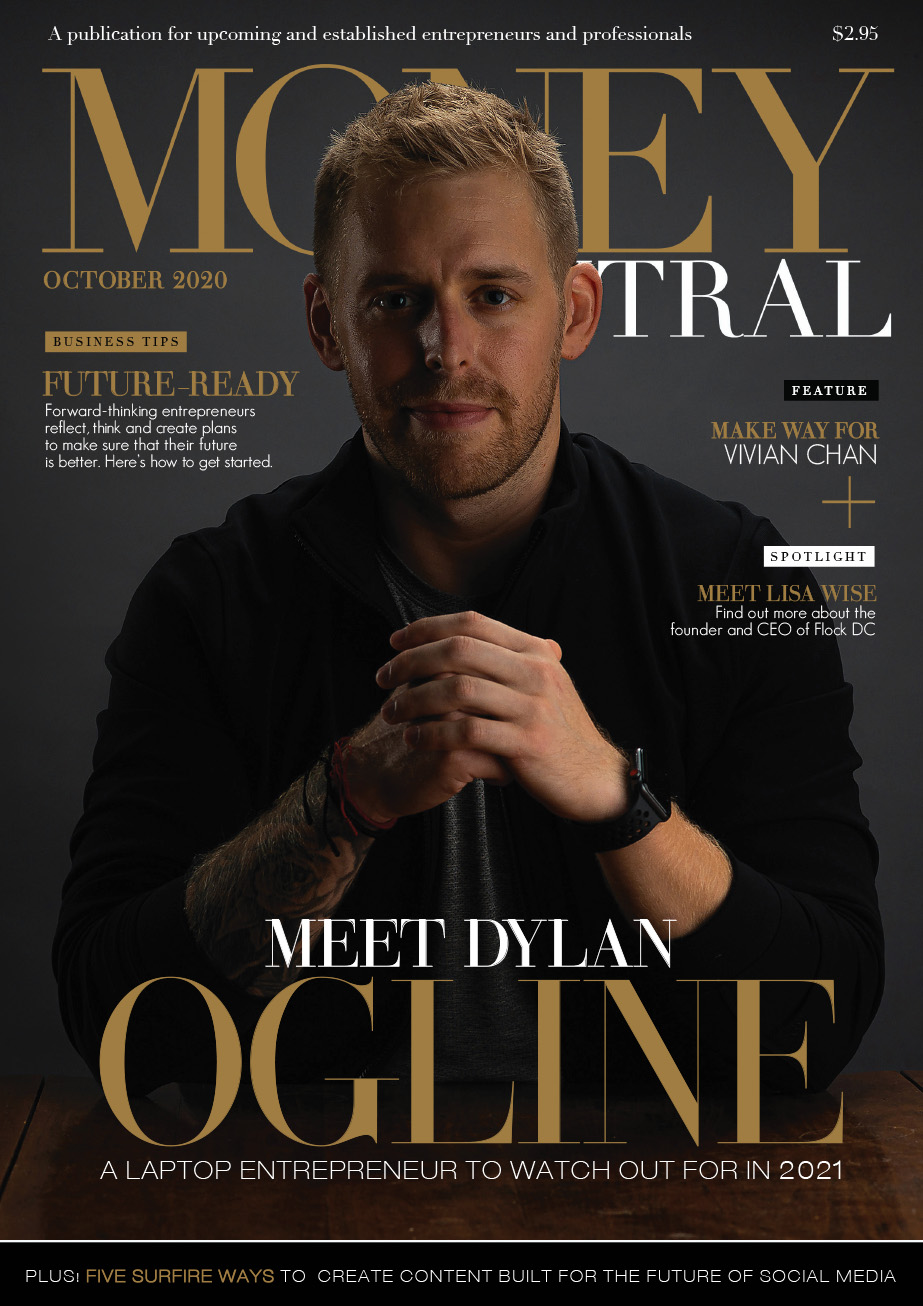
Meet The Man Behind The Cover Of The November 2020 Issue Of MoneyCentral Magazine: Dylan Ogline

Dylan Ogline Lives the Vagabond Lifestyle of a Laptop Entrepreneur … And He Wants You to Join the Club, Fast!

Dylan Ogline is used to being underestimated. It’s laughable, considering he built Ogline Digital into a 7-figure business by offering only one service—direct response digital marketing—and doing it very well.

But among his fellow entrepreneurs, he is something of an oddity. There’s definitely an “Old Guard”—usually overweight, undertanned, and light on passport stamps—that doesn’t understand what he does.

When networking at business conferences, he sometimes describes Agency 2.0, his training program to teach aspiring entrepreneurs to do what he did—build a lean, niched-down solopreneur digital agency offering high-ticket services.

The “Old Guard” Boomers and post-Boomers at those conferences like to tell him he is a fool. How could he leave so much money on the table?

He should (they explain) offer a full suite of digital marketing services. Ogline Digital shouldn’t let its clients shop anywhere else! He should hire a team of graphic designers, and a team of coders, a team of SEO specialists, and get a shiny downtown office for them all to commute to—five hours in traffic to break their spirits good and proper.

For a mere $1,000,000 in extra expenses, he could be making $1,000,500 more in revenue! Five hundred extra dollars in profit to brag about on the ambulance ride to the cardiac ward!

Dylan doesn’t feel like a fool. He recently returned from nearly two months in Southeast Asia. Spending most of his time in Thailand, living in a highrise condo, and losing himself on the streets of Bangkok or the forest trails of Chiang Mai. It was his first “mini-retirement,” inspired by Tim Ferriss’ The Four-Hour Workweek and Ferriss’ own favorite book, Vagabonding by Rolf Potts. He followed that trip up with nearly another month in Europe with his longtime girlfriend.

During his travels, he ran Ogline Digital from his laptop. An avid hockey player, he’s in amazing shape, looking barely 21 of his 31 years. And he knows he’s onto something that touches the dreams of Millenial and Gen Z entrepreneurs, who measure success, not in the size of the bank account, but the size of the adventure.

Dylan was never going to wind up in a cubicle. A high-school dropout and self-described “unemployable entrepreneur,” he started his first business as a teenager in rural Pennsylvania. Inspired by reading Robert Kiyosaki’s Rich Dad, Poor Dad, he was able to arrange an importer deal with a supplier of sophisticated European cell phones, which were rare in the pre-smartphone and iPhone era. The European supplier had no idea that he was doing business with a 14-year-old.

When the shipments arrived, Dylan flipped the phones on eBay for a profit. It was all going swimmingly until his payment processor discovered his age and shut him down.

A different family might have exhorted their errant son to get his head out of the clouds and get a “real job.” But Dylan actually comes from a family of business owners.
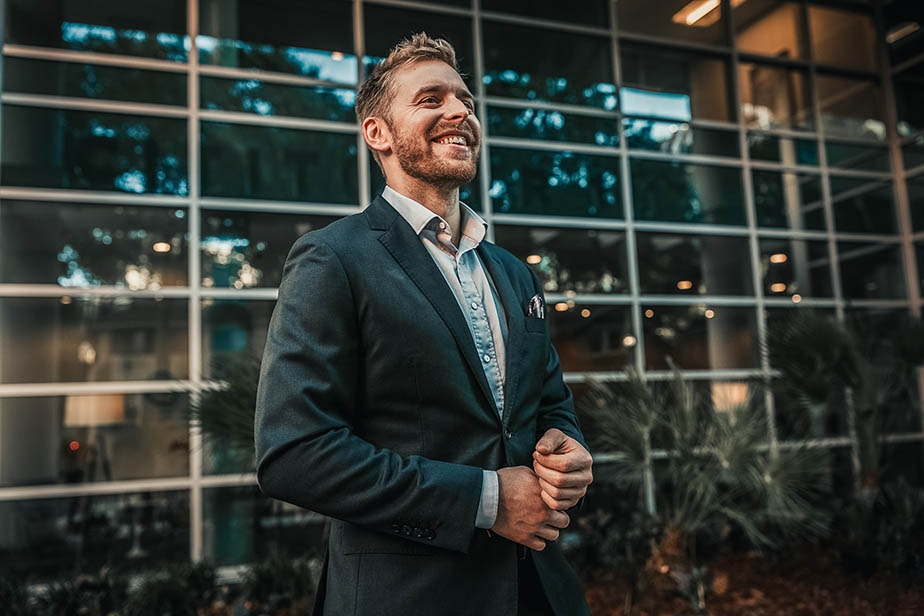
But the youngest Ogline is still the black sheep. His father and brother belong to that Old Guard, valuing hard work instead of smart work, revenue growth instead of a lifestyle. As a result, Dylan’s father worked himself into three heart attacks. Dylan fears that his older brother, who loaned him Rich Dad, Poor Dad in the first place, is headed to a stress-induced heart attack as well.

But that doesn’t stop them from scoffing at their globe-trotting family member, as if his million-dollar agency is somehow a fluke … like he needs to “grow up” and open a business he hates, like “working men” do.

Agency 2.0, which trains first-time business founders to build a laptop lifestyle from the ground up, is Dylan’s long bet that a younger generation wants to skip the heart attacks and do it the Dylan way. “2.0” doesn’t refer to the version of his program—in fact, the current version of the training program is the third iteration.

Rather, “Agency 2.0” is meant to imply a new way of thinking about a digital marketing agency—lean, automated, bare-bones, micro-niche. Dylan teaches students to offer so much value that they can retire their day jobs and become digital nomads after closing just a few clients.
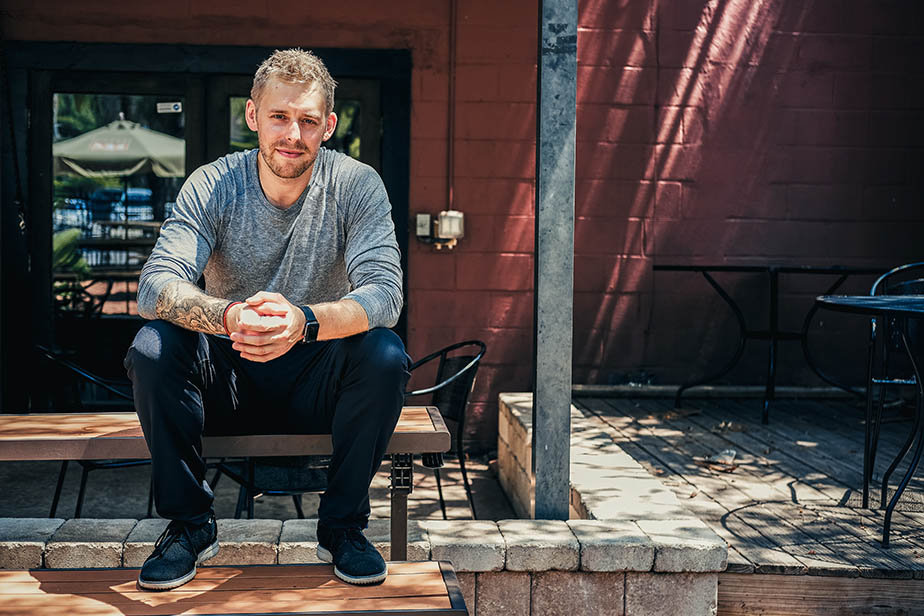
To learn more, MoneyCentral Magazine caught up with Dylan, fresh off a mountain trail in his Denver Airbnb—far from his adopted home base of Orlando, but closer to home than Bangkok. Here’s what went down:

So, your training program is called “Agency 2.0,” and not because it’s your second version, but because it outlines a new approach to agencies. With that in mind, what is “Agency 1.0?”

The “1.0” way of thinking is a bloated agency with a ton of expenses, salaried employees … you have an office, you’re doing one-off projects for your clients, these huge, massive creative projects for your clients. Reinventing the wheel all the time.

“Agency 2.0” is pretty much the exact opposite—a slim, sleek, scrappy business model. Very little expenses, no office, independent contractors-if any team members. And you’re doing retainer-type work. The beauty of it all is-if your client is spending $5,000 on ads per month and you start to get things rolling for them and they increase spend to say… $50,000/month, the amount of work actually becomes less. So the higher your income is off an individual client, the less work you’re typically putting into it.

Is there any danger of students getting into the business and finding that they’re competing with each other—too many people offering the same service?

The truth is that if you do everything for everybody, we’ve already hit market saturation on that.

Here is the key – if you’re managing ads for a plumbing and heating company, and a car dealership, and a doctor, and also building websites for restaurants, and then you’re also doing SEO, you don’t really become good at anything. It is incredibly difficult to become the best in the world at everything.

It is damn near impossible to become the best person in the world at “digital marketing.” It is relatively easy to become the best person in the world at “digital marketing for plastic surgeons in the southeast”.

There’s a million different niches, and a million different ways you can slice them up. People naturally have a scarcity mindset, and if you are an agency doing everything for everyone, you should have a scarcity mindset! Because it’s going to be really difficult.

But if you are specifically helping plastic surgeons on the east coast—or whatever, that’s a random niche I just came up with—the truth is that you probably couldn’t handle more than five clients. And if you have five clients and you get them going, you can have a six-figure agency, no problem.

I have a seven-figure agency off of less than ten clients. So the concept of scarcity is backward thinking. We could easily add another 10,000 niched-down agencies, and there’s no way we would reach market saturation. Not even close. There are over 30 million small businesses in the United States alone and growing. Sure not all of them are going to be looking to add on the services of a digital agency but they are ALL looking to grow.
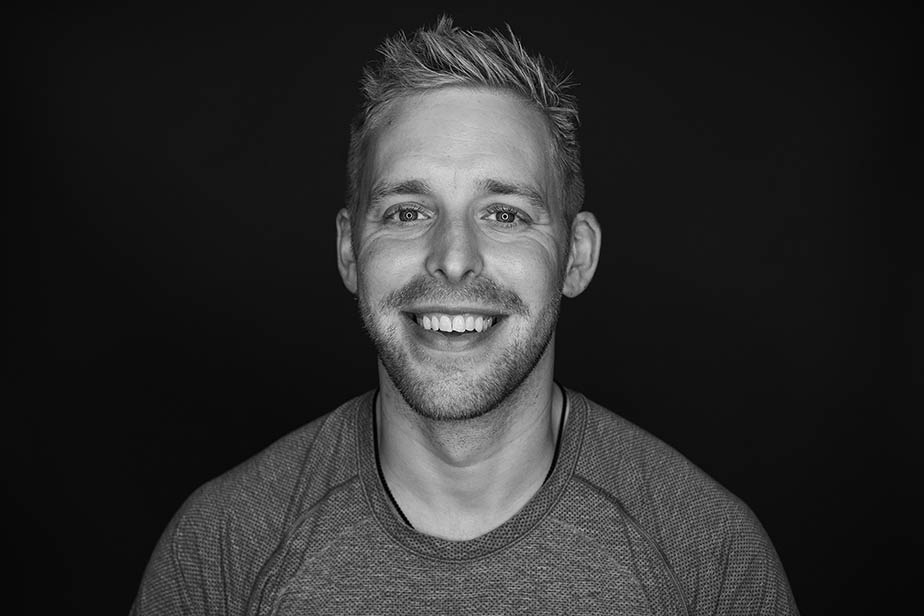
What drove you to be an entrepreneur and start businesses from such a young age?

For me, when I got into business, it wasn’t because I wanted to have a Lamborghini and a few Rolexes. Those were not the things that drove me. What drove me was that I didn’t want to be poor. I didn’t want to worry about how I’m going to pay the water bill or the electric bill.

I grew up in Pennsylvania, in an older house with what felt like zero insulation. I remember freezing my ass off at night in the middle of winter because it was an old house, it was expensive to heat, and my parents, justifiably so, didn’t want to spend the money. So all I cared about was f*cking heat!

Why did you decide to offer a training program? What was the journey there?

I had a lot of teachers that influenced me, a lot of coaches, a lot of mentors. I don’t believe anybody is self-made. That is a ridiculous concept. Sure I have worked hard. Sure I have made a few smart plays. But if it weren’t for those people teaching me things, or my brother just having that book laying around, I wouldn’t be where I am. So at a younger age, I knew I wanted to do some kind of coaching or teaching.

With [Ogline Digital], if a client is doing half a million in sales a year, and we onboard them, get their marketing working, and they make a million in sales next year … that’s really cool. But that didn’t change the business owner’s life. They’re just making more money.

I had a student who joined my training program last year or the beginning of this year. She joined the program in like, December or January. At the time I charged something like $500 to get on board. A month later, I talked to her on one of the group calls. You could hear the tears in her voice, where … that was, like, her last $500. Her and her husband were struggling. But within a few weeks of joining the program, she got her first client, and with the money she got from that first client, she was able to buy her kids’ birthday presents. Then she went on to build a successful agency. That changed her life. It changed everything about her life.

So to say that I am slightly more passionate about this training program and helping people is putting it lightly. The personal fulfillment I get is just … it’s hard to put into words.
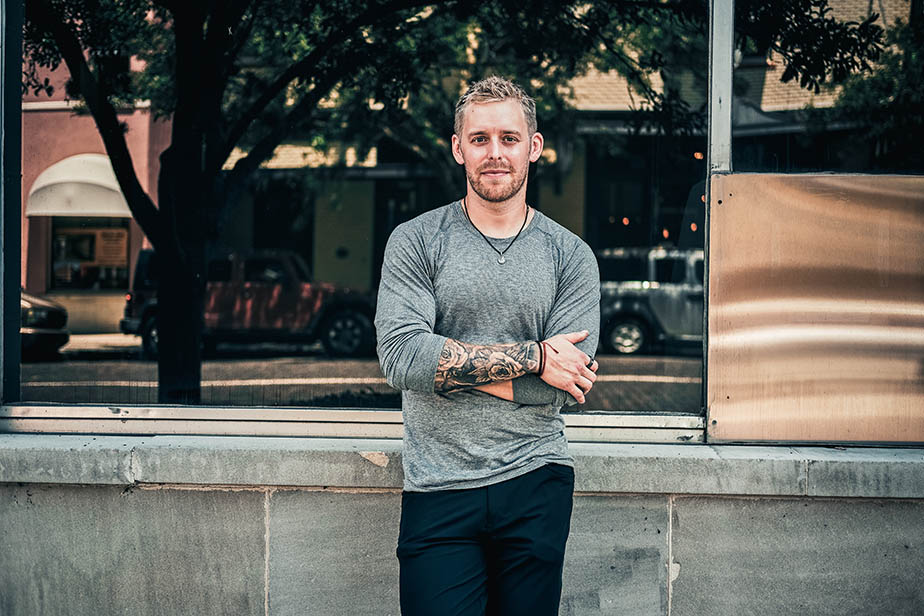
What mistakes do you think business owners make that you try to correct in Agency 2.0?

Even if you’re not building an agency—even if you have some kind of product that you’re going to dropship to people or whatever … something they get wrong is that, as fast as possible, you need to focus on getting the cash register to ring. That is, making sales.

I see people who, outside of starting a digital agency, they have some kind of product that they’re going to ship and sell … they’ll spend two years, like, a long time, getting their Facebook page started. Getting public relations going. Getting nice business cards. Getting a fancy logo. All these unnecessary things. When they actually try to get customers and try to get sales, it flops, because they don’t have product/market fit.

Getting the cash register to ring as fast as possible is what any digital entrepreneur needs to focus on. That’s the only way to prove product-market fit, by someone actually give you money for your product or service. You don’t want to waste a lot of time on unnecessary things because the truth is that you’re probably going to fail the first time.

You have to move fast and remain flexible. I probably say “move fast” about a hundred times in the first week of my program!

Is the Digital Nomad life everything you thought it would be?

This is an incredibly good question! I was mentoring this younger guy recently … probably a year or so ago. He’s, like, 19 or so, maybe an 18-year-old kid. And he works a dead-end job, fast food or Dunkin’ Donuts or something similar. This is in the small town in Pennsylvania. And he’s like “I can’t do this. I can’t spend the rest of my life in this small town. I want to ‘see the world.’”

So he basically asked me the same thing—he’s like “Is it everything I think it will be?”

And I was like, “The vision that you have of how cool it will be, wherein your head you’re imagining standing on the balcony of your condo in some random city in Asia and looking at this city that you have a month, two months to explore … an infinite amount of time to explore, and you don’t have to go to work tomorrow … you still have to work, but you can do what you want, whenever you want, as long as you keep your business going …”

“You have absolutely no idea just how awesome it is. What your expectations are, they are wrong. It’s so far beyond what you could possibly imagine. Having that freedom is beyond what money can buy. Words cannot describe how amazing it is.”
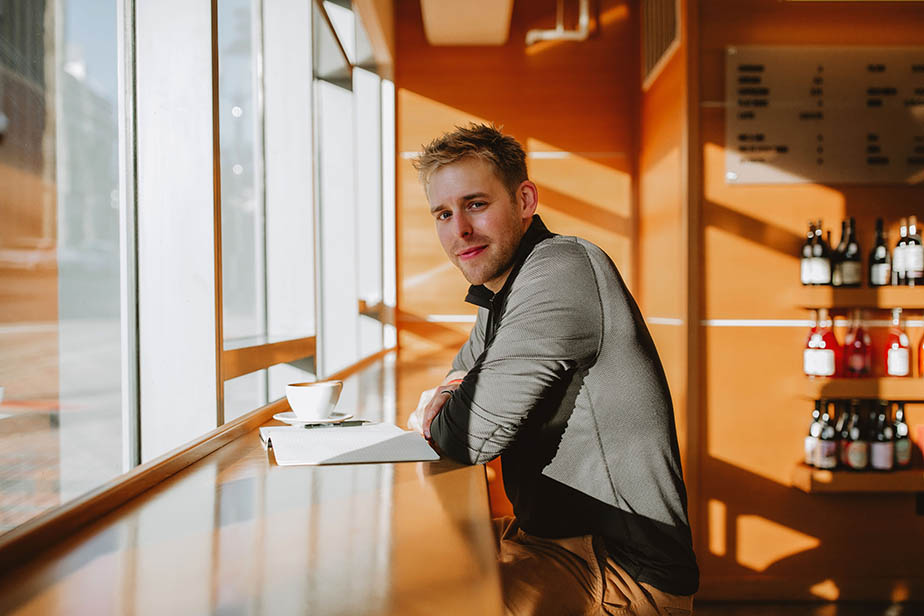

Meet Jennifer Kem: The Shepreneur Who Lost It All & Then Bounced Back & Built 3 Million-Dollar Brand-Building Businesses

Jennifer “Jen” Kem is a San Francisco Bay Area-based branding and marketing expert who gets entrepreneurs seen, heard, and paid – for being themselves.

She’s the creator of the Master Brand Method: a framework to develop powerful brand archetypes that win customers’ hearts, leveraging Jennifer’s 17 years of corporate experience and her launching of multiple companies.

She uses the Master Brand method in digital strategy coaching for emerging entrepreneurs, celebrity brands like Oprah Winfrey Network and Steve Harvey, and major corporations including Verizon, Blue Cross Blue Shield, and Bank of Hawaii.

Jennifer serves up straight talk wrapped in love because she understands entrepreneurs’ challenges: She built a retail business and became a millionaire at 32, only to lose it all in the recession two years later. She is now the successful owner of three million-dollar brand-building businesses and the mother of three children.

MoneyCentral Magazine recently caught up with Jennifer to discuss her journey to entrepreneurship and here’s what went down:

Could you please tell our readers a brief background about yourself?

I grew up in the sugar plantations of Hawaii watching my grandmother transition from sowing seeds in the fields to becoming our family’s first entrepreneur when starting her own in-home elderly care business. Inspired by her example, I launched Hawaii’s first brick and mortar lingerie store in 2006, becoming a self-made millionaire at 32 years old. Then, disaster struck as the 2008-2009 financial crisis swept me clean of all financial reserves. I lost my store, my staff, and my beloved grandmother all at once.

After wrestling with grief and depression, both natural consequences to all I had experienced, I began to understand that I had a choice: I was given the opportunity to rebuild and could do so with more power, more wisdom, and more resources than the first time around. I decided to start a service-based, recession-proof brand consulting business. Within a few years, I developed my own marketing process called the Master Brand Method: a framework to develop powerful brand archetypes that win customers’ hearts and encourage them to open their wallets, and opened the Master Brand Institute.

Today, I live in the San Francisco Bay Area and share tools and resources to serve small business leaders in this time of economic crisis. I’m proud that I can utilize all of my past experiences to serve other leaders and continue to contribute to the stability and growth of the economy.

Can you describe your journey to success?  

As a little girl, I always had big dreams inspired by my grandmother’s mentorship. When I grew older, I began to notice that I had sort of a sixth sense: I could smell money in opportunities. This served me well as I began my career in B2B branding and marketing for technology companies, winning them large, lucrative contracts. When I decided to fly solo and redirect my natural business instincts and corporate experience to entrepreneurship, I naturally felt both the rush of possibility as well as the shakiness of risk. My success grew just as quickly as it failed, with both the realization of wealth filling me up and the plummeting into pennilessness draining me once more.

But I had babies to feed and big dreams to fulfill, so I began again. With the support of family, friends, and mentors, I was able to leverage my past as a successful brand expert in corporate settings and an entrepreneur to build yet another business venture. I used my sixth sense, smelling the money in opportunities to find quick, and this time, lasting success.

What are you currently doing to maintain/grow your business?

In the midst of the COVID-19 pandemic, I am focusing on serving the small business community. This means I am gathering resources to keep them in the market, promoting branding strategies to help them sustain their clientele during the crisis, and foreshadowing how they can thrive faster post-quarantine. Additionally, I am creating a community for small business leaders so that they have competent and compassionate support that will fuel them so that they can stay true to themselves, their families, their businesses, and their brands during this stressful stage in history.

What is your main tactic when it comes to making more people aware of your brand and engaging your customers?  

At Master Brand Institute, we have developed a tried and true way to ensure businesses will be successful from their marketing campaigns. One, they must understand their brand archetype, which will define their essence, vision, and communication style. Two, they must invest in a deep knowledge of the understanding and motivation of their ideal audience. Three, they can integrate visual aesthetics that promote the brand’s values to attract customers. Four, they can practice an activation process of testing, iterating, and launching successful products. Five, they commit to amplifying their brand, their products/services, and successful campaigns to a variety of platforms and audiences, with confidence and an ownership mindset.

What form of marketing has worked well for your business throughout the years?

I believe in the power of brand archetypes, which is a term coined by Carl Jung, a renowned Swiss social psychologist. Archetypes can be defined as recurring stories or characteristics that make up human behavior. Understanding your own archetypes can help you to assess what talents come naturally to you and where you might need support in the development of your brand and business. There are 12 primary archetypes: the Maverick, Ruler, Sage, Explorer, Ruler, Lover, Alchemist, Creator, Provocateur, Healer, Hero, Muse, and Advocate. Each person is a conglomeration of three archetypes: Dominant, Intrinsic, and Intuitive. Your dominant archetype defines brand visibility and values. Your intrinsic archetype, or your secondary, helps decide your brand identity. Lastly, your intuitive archetype supports you in all decision making. Each archetype has a light side and a shadow side. Understanding where you will shine and where you need help shining will set you up for brand success. Using the dominant archetypes in your messaging, email and social media campaigns help create authentic resonance and make people trust your brand more.

How did your brand stand out from the rest of the other brands out there that is similar to your niche?

Besides the brand archetypes methodology that we use, we use a values-driven framework called the Master Brand Method and Brand Authority Map that specifically lines up what the brand stands for and how it helps its audience. Ultimately people buy things because they are clear on how a product/service helps them in their lives, and our Method and Map allow our clients to market more effectively because of how clear they are in what they deliver.

We also emphasize storytelling – because, in any niche, the only thing that truly sets you apart is your stories, both your authority and your approachability stories. When your brand tells a better story that connects with your audience, you enroll clients on demand.

What is the toughest decision you had to make in the last few months?

Canceling all of our live conference events and shifting them to online conferences for the rest of the year. In-person platform events are one of the biggest ways we make revenue not just for our company, but for our clients we consult with too. So adapting and pivoting to a purely online delivery took a lot of choreography, modified marketing, and increased fulfillment. It also takes different types of people resources to create an online experience in the same realm as an in-person experience, so there were additional training and sales expectations to be modified.

What money mistakes have you made along the way that others can learn from?

During the 2008-2009 recession, I believed that I could continue to expand my lingerie business in a failing economy against the recommendation of my financial advisor. I expanded without increasing cash flow and went deep into debt. At the time, I thought that in order to have integrity as a business owner that I needed to pay off all of my debts even when I had no money coming in. This was a huge mistake. I ended up paying thousands of dollars in debt only to go bankrupt anyway a year later.

Today, I coach entrepreneurs to focus on gathering cash reserves to utilize in times of crisis. I encourage them to find trusted financial advisors who can accompany them honestly and safely throughout their business cycles. I also counsel business owners to consider bankruptcy if they get stuck financially, without holding the societal shame. Bankruptcy was created so that business owners could start again and utilizing the system is very much in alignment with being a person of integrity.

What have you learned in the process of becoming wealthy that others can learn from?

I came from a family that immigrated to the United States because we had so little and dreamed of so much. I am grateful for the privilege that my family passed down to me in their hard work and have continued that diligence to bring more wealth into my family. I enjoy the wealth I have while recognizing that so many other families are on different stages of their wealth journey. I always hope to empower people into more wealth through sharing my insights in personal and professional contexts, as well as gifting portions of my abundance to those in need.

What new business would you love to start?

I am currently building two platforms to help women acquire affluence and influence that I’m super excited about! One, Femmefluence, is a podcast that sheprenuers can listen to in order to be guided in topics from soul research, to tribe building, to brand mastery. Additionally, The HerQ is a women-focused co-working collaborative space in Walnut Creek, California that will open as soon as the Coronavirus Pandemic has passed and we’re all safe to inspire each other through collaboration in common places again!

If you could go back in a time machine to the time when you were just getting started, what would you do differently?

I would have hired a mentor sooner than I chose to – both in the business world and in supporting my personal development. Coaches, therapists, and consultants have been critical partners in my growth as an entrepreneur, and I believe in investing in them before you “need” them and especially before you think you can afford one. The goal of hiring experts to help you is not to make you better at what you’re already good at – the goal is to hire them to help fill the gaps and navigate the blind spots, which we all have. And, create a wealth-building strategy early by paying myself forward with an IRA, life insurance, and estate plan. I have one now but would have definitely liked to have started one earlier.

What is the best advice you have ever been given?

My first mentor at work was a woman named Maria who had the life I wanted. I asked her, “If I want to have what you have in the next 10 years, what do I have to do?”. She said: “If you take the jobs (projects/tasks/things) that no one wants to do, you’ll get seen, heard, and paid more than anyone else in your field.” She was right.

What advice would you give to a newbie Entrepreneur setting up their first business?

Build a network of support internally and externally! Understand your inner voices and motivations. Listen to the ones on your side and learn to reframe the ones who challenge or limit you. Hire a coach or therapist if you need support in this work. Otherwise, find peers to normalize what you’re going through, mentors to lead you to where they are, and mentees who you can coach to remind you of how far you’ve come. This support network will carry you past obstacles and into a sustainable success!